Ferry flying – the practice of moving aircraft from one loctation is another – is something that Dylan and I started doing over 20 years ago.
Ferrying planes is an adventure that began for us – well I was going to say when we flew our first Caravan from Winnipeg, Canada to Johannesburg, South Africa – but when I think about it more – the adventure of flying and discovering new territory began in the Fast blood in 1958 when Dylan’s dad bought a brand new Super Cub. He purchased the small 2 seater aircraft in order to map out undeveloped land for bush clearing in remote locations in northern Manitoba.
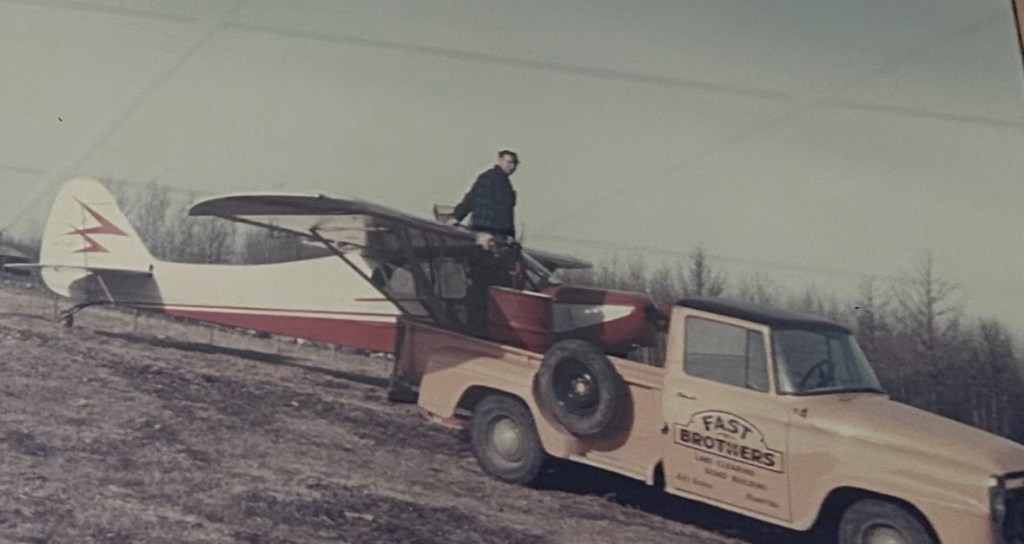
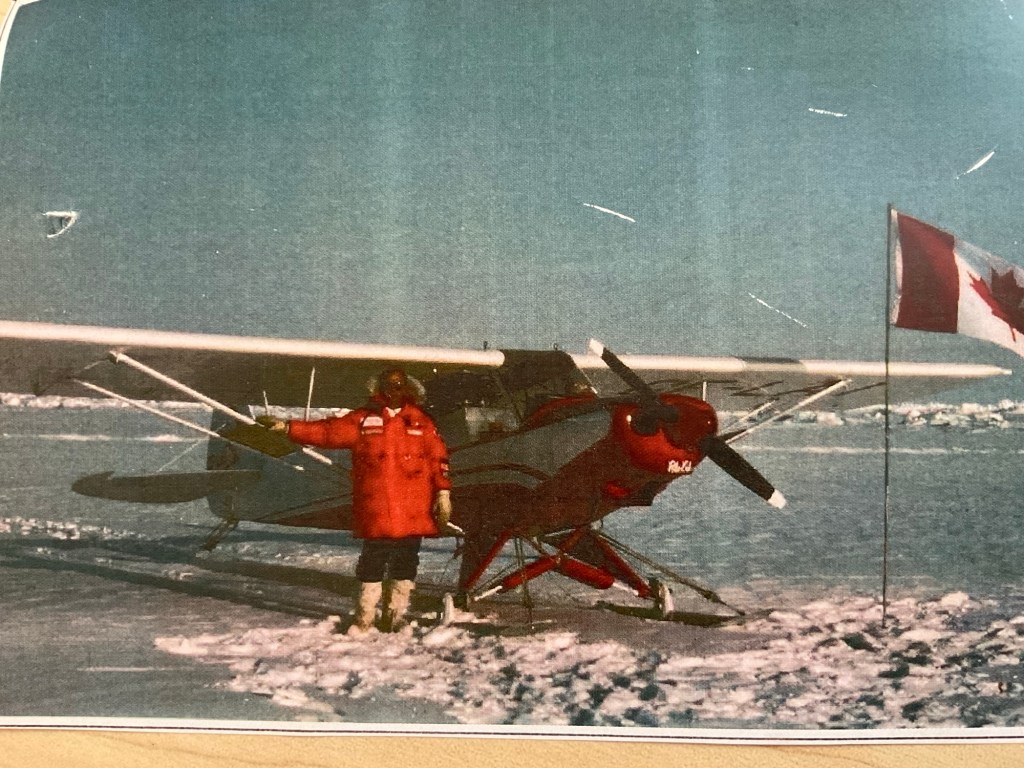
A plane which 40 years later Dylan’s brother Reg used to fulfill his dream of flying to the north pole and have a cup of tea.
Since our kids were young as a yearly adventure we would take a small four seater plane to Mexico or Central/South America.
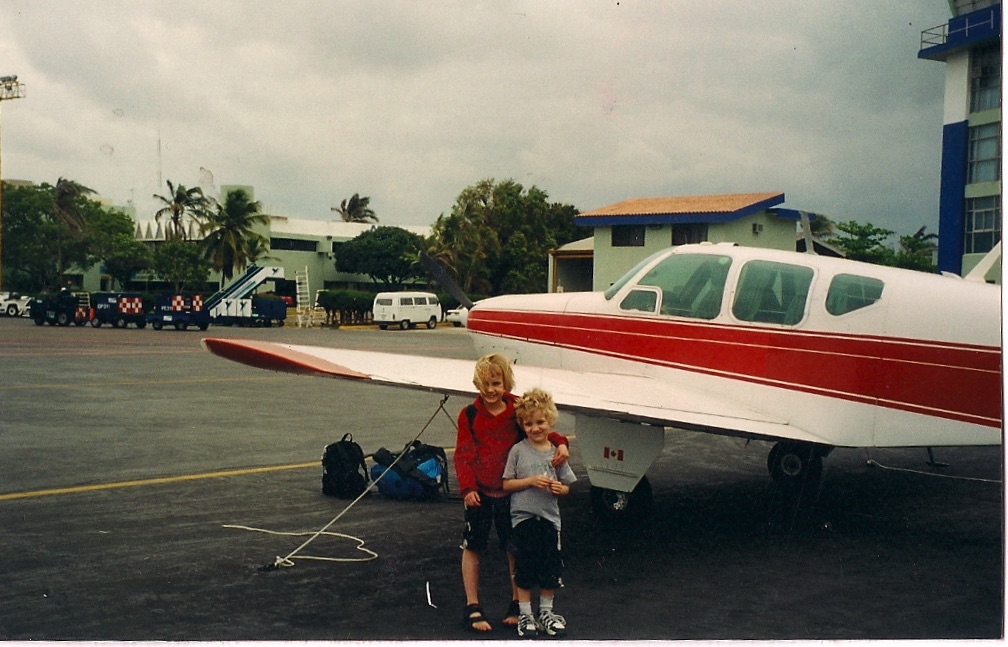
These adventures were affectionately called – “the trips”. In planning these trips, we would take out a paper map – draw the route, find the airports – determine the regulations and restrictions and off we would go. (I remember at one customs office an officer inspecting our plane came back and said it looked like the back of a station wagon in there !)
Some how doing these trips- made the thought of flying small planes around the world something that was part of our wheelhouse and ferry flying became the continuation of “the trips” with a new purpose.
So with this history of flying small planes around the world, when MAF asked us to deliver a Caravan to Madagascar – we happily volunteered our services as pilots – and the rest is history.
We have been so incredibly fortunate to continue being a part of this very exciting venture of ferry flying. To date we have flown planes across the Atlantic and Pacific Ocean and all through the South Seas, and to many counties in Africa, Asia, Europe and Australia.
Doing these flights is a brilliant way to see the world and especially parts of the world that one would otherwise never have the opportunity to see or even know about. M.A.F. is an organization which provides services to parts of the world which are remote and have poor transportation and where access to these aircraft is life giving.
The aircraft we ferry are single engine aircraft that are not built to fly big distances. Because of this, there are a number of stops along the way. So as we did when flying the Bonanza to Central America – we take out a map (or rather – pull up a map from the computer) – draw out a route – check out the regulations and visas and off we go.

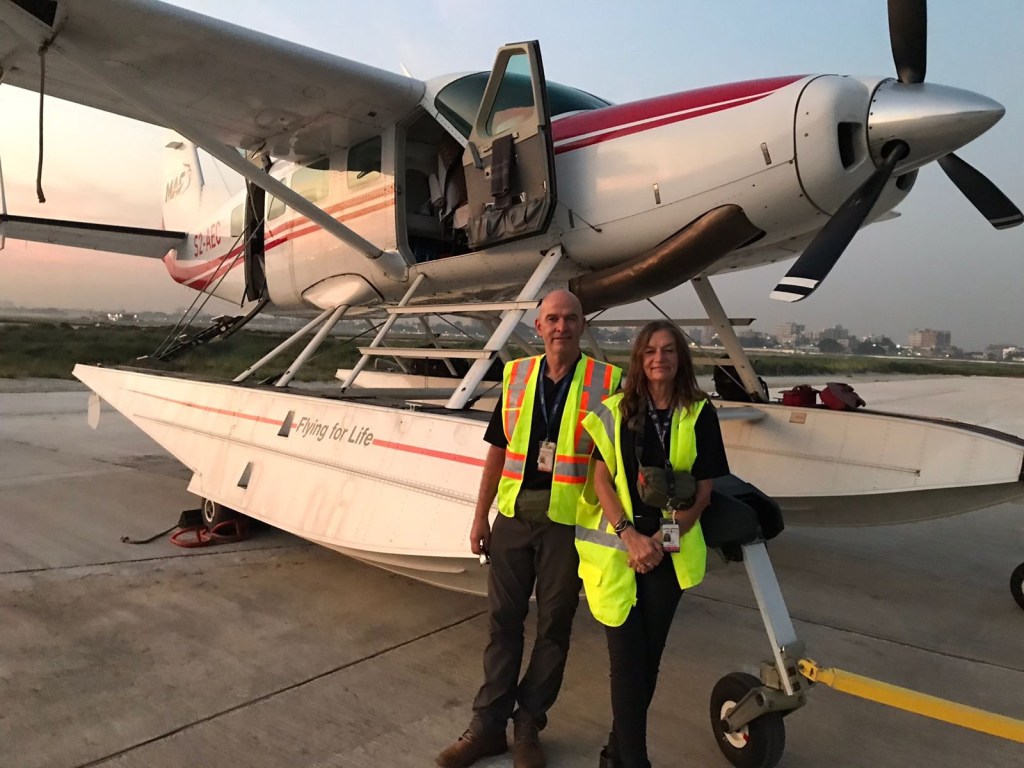
FERRY FLYING
Ferry flying is a venture that is almost as old as flight.
Looking back into history of ferry flying – in 1940 there was a race to develop a route and a method to bring planes across the Atlantic. In this rearview mirror of the history of flight – it is truly remarkable how fast the whole life of flight progressed even before this quest of flying over the ocean.
On December 17, 1903 at Kill Devil Hills near Kitty Hawk, North Carolina , Orville Wright completed the first powered flight. A flight that lasted 12 seconds – traveled 120 feet at a speed of 6.8 miles per hour and his best flight that day reached 10 feet in the air.
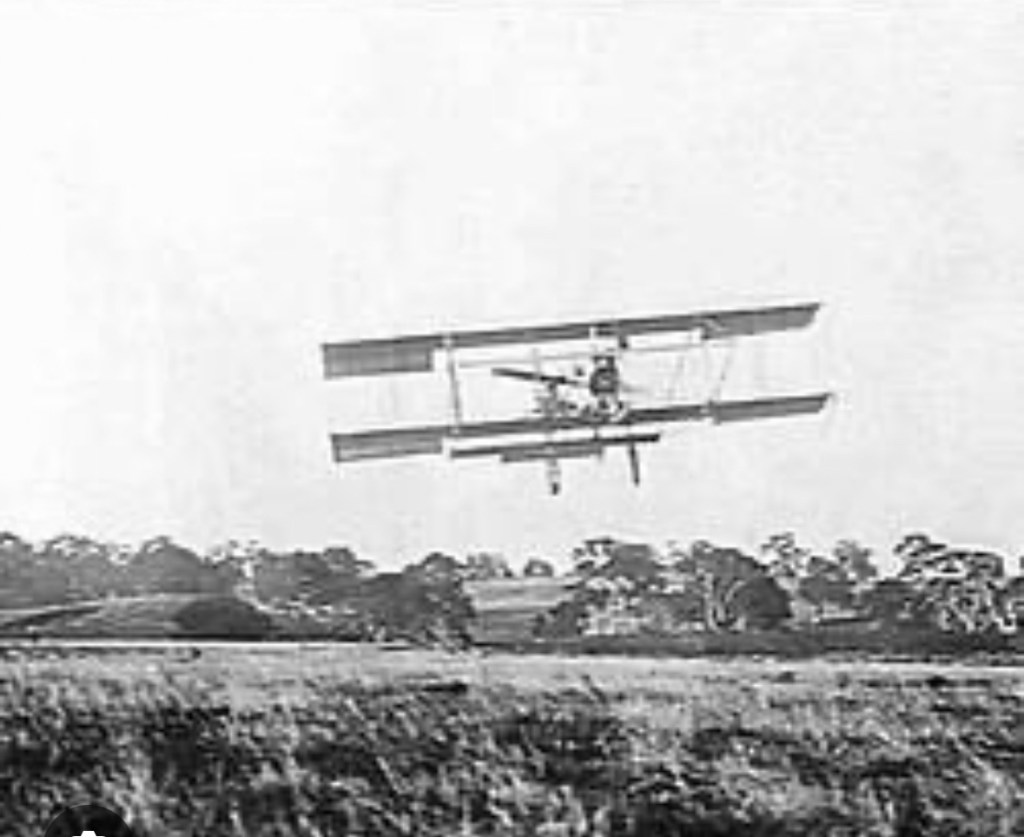
16 years later, in 1919, the NC4 was the first plane to cross the Atlantic Ocean

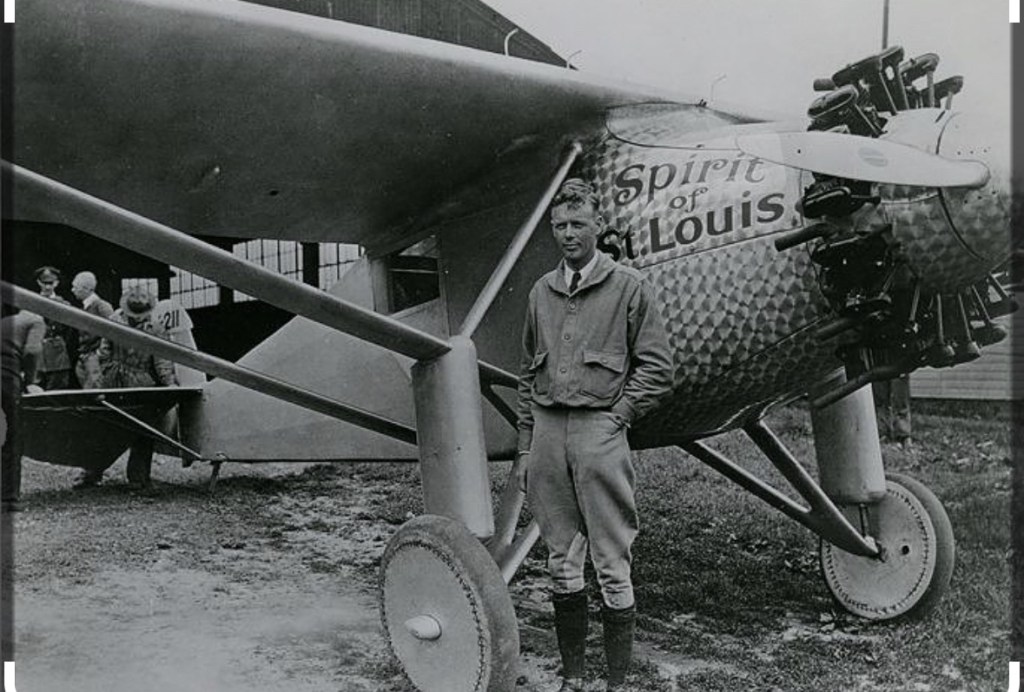
8 years later, in 1927, Charles Lindbergh completed the first solo – non stop transatlantic flight from New York to Paris
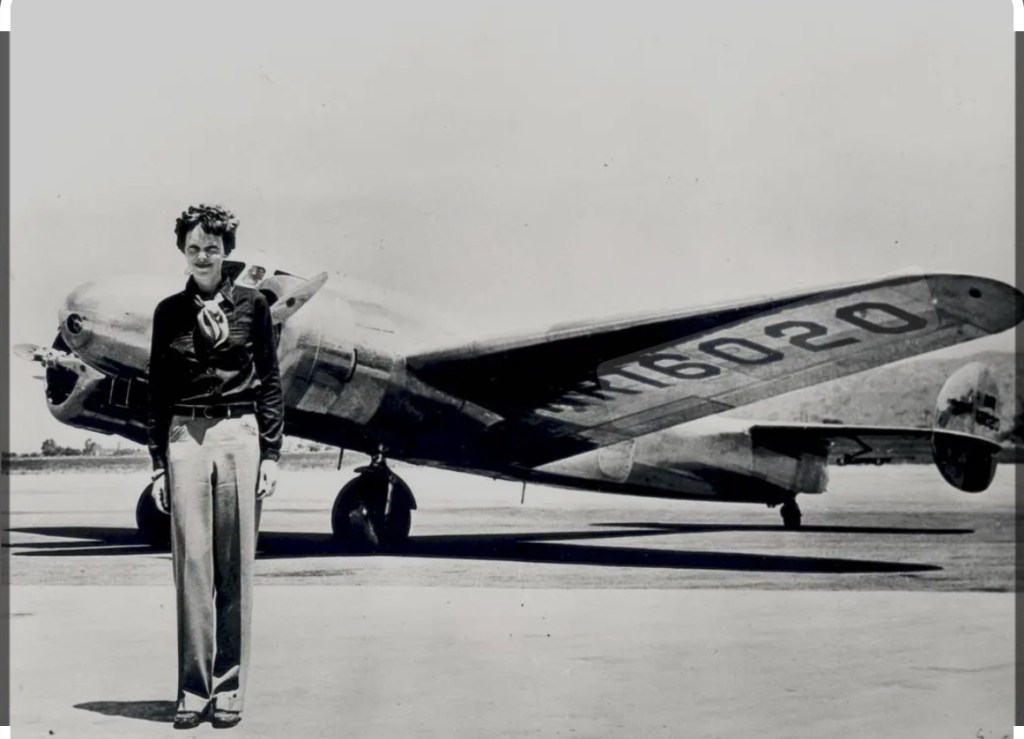
In 1932 the first woman – Amelia Earhart flew across the Atlantic Ocean.
I became very interested in this Atlantic air route when we first began ferry flying planes – I guess because the history of flight is deeply embedded in this part of the world and the North Atlantic and this was the route that we would often take to get to Europe and then proceed to Asia, Middle East Africa and Australia.
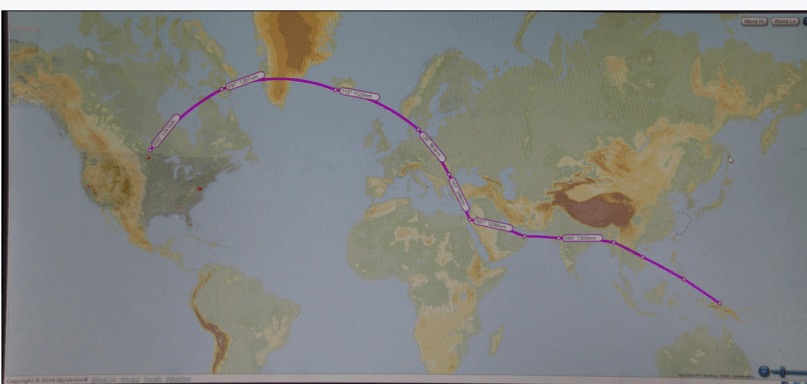
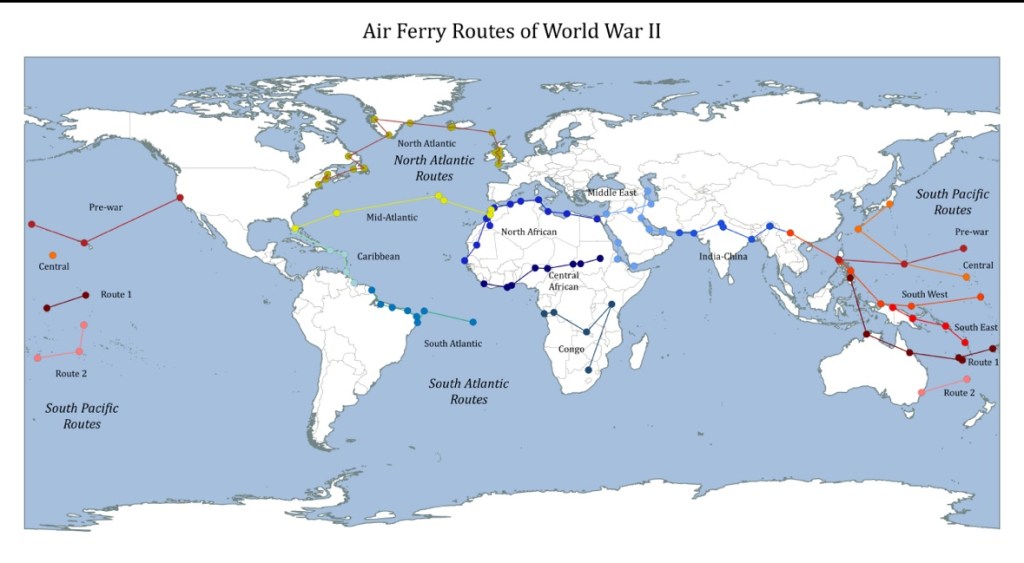
This are routes that were developed during WW2. The crossings that happened in the 1920’s until the war were fewer than 100 and there had been many failed attempts. The crossings before WW2 were as well strategically planned in the summer months – so avoiding of the dangers of hazardous ice and snow in the fall and winter.
The world of aviation quickly changed with the advent of the war. In WW2 Europe had an urgent need for aircraft that was being manufactured in North America. Transporting these aircraft became a major undertaking.
In 1940 North America had orders for some 26 000 planes to be delivered over seas. Initially the planes were shipped by boat – they were built – dismantled – shipped and reassembled in England. This proved to be very time consuming and as well risky because of the attacks on water – and – the planes were not coming fast enough.
So it was during WW2 that the North Atlantic Air ferry routes were developed.
From my reading, I discovered fasinating stories about this time- highlighted by the fact that Dylan and I were flying some of these exact routes and landing in some of the same airstrips – and in doing so – having a real sense of the dangers involved.
In 1940 aviation was still in its infancy! I can just imagine what this time must have been like – the danger as well the excitment this must have been for young soldiers!
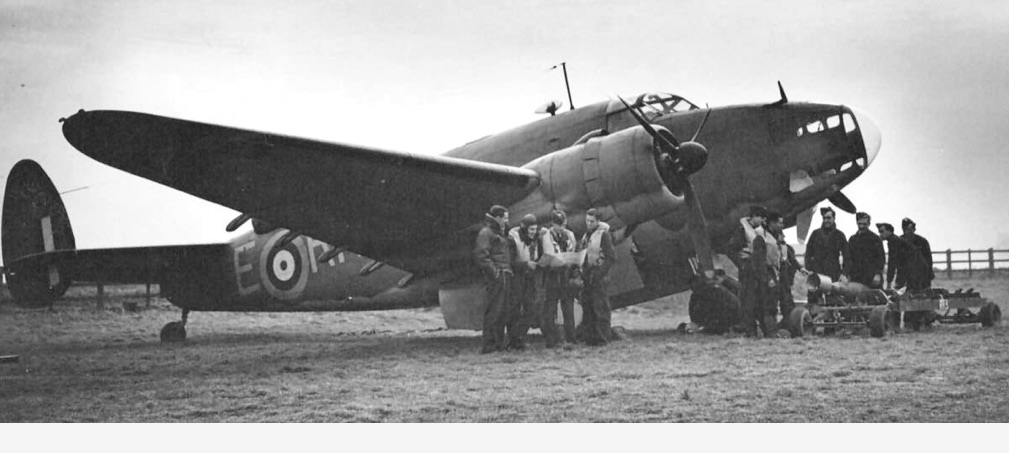
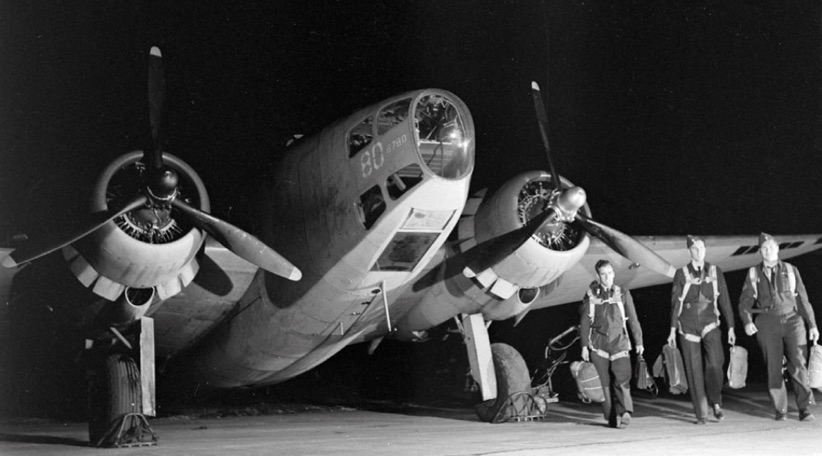

In 1939 aviation was still in its infancy. I can just imagine what that time must have been like – the reluctance and as well the excitement for young soldiers – these young men – never having never flown – most likely never been in a plane – were given a pretty rudimentary course on flying – and were then – to fly over the cold and harsh North Atlantic waters for hours – into unknown weather with limited tools of navigation.
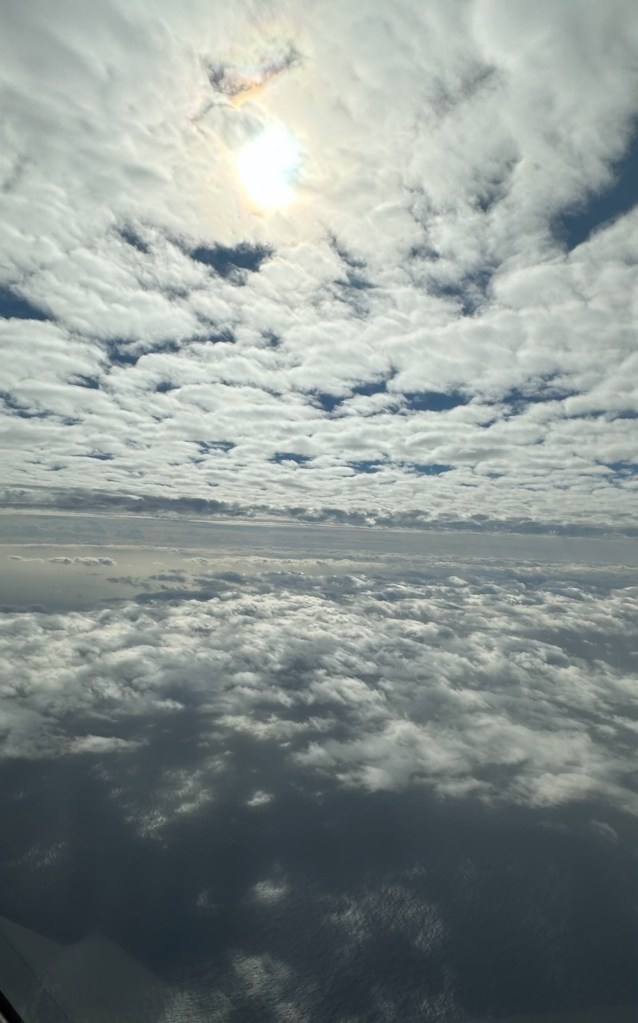
After traversing the ocean towards Greenland – these pilots needed to find the correct fjord (of the many fjord’s ) to arrive at the landing strip. It is a place which so fasicates me and I wonder how one can think of the North Atlantic ferry routes without highlighting the brilliance of this place. Greenland is the largest island in the world, and most of it covered by the Greenland Ice Sheet. Despite the presence of ice, it also has some coastal regions that are ice-free and support a diverse ecosystem which includes polar bears and Artic foxes. There are no roads going from community to community so transportation is by boat or plane.
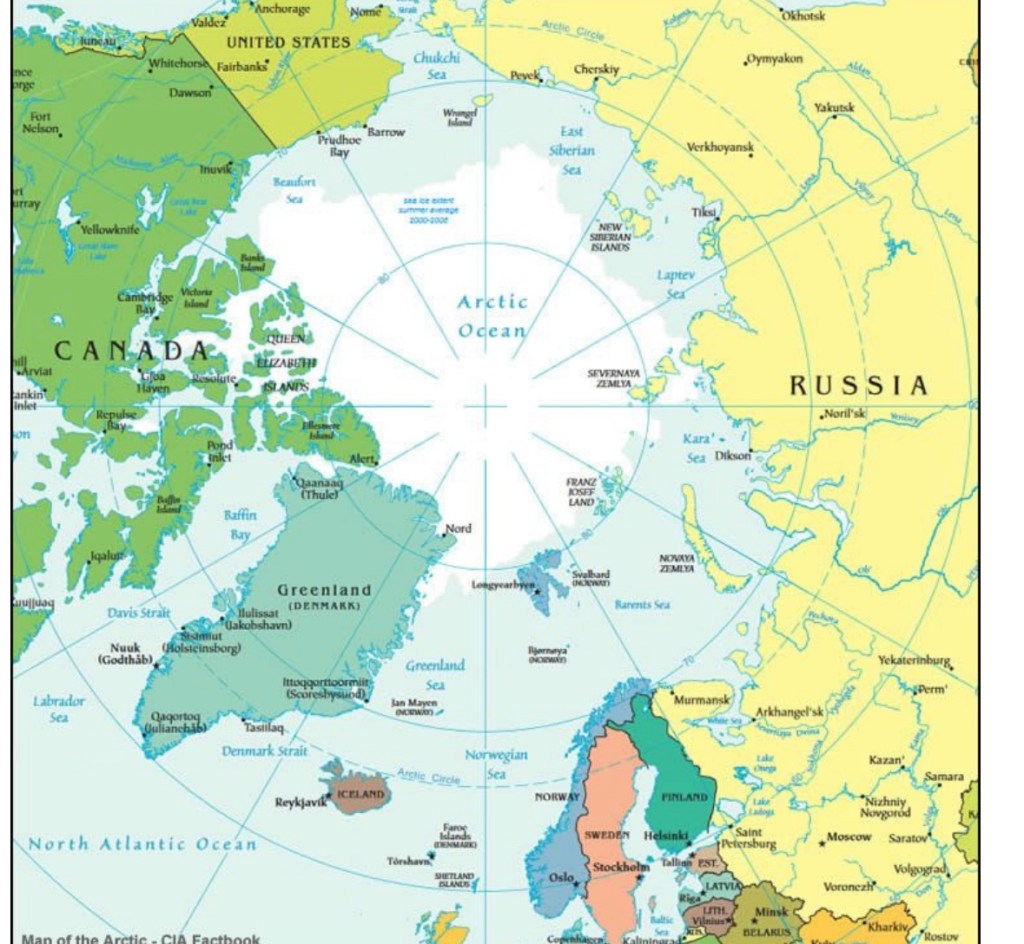
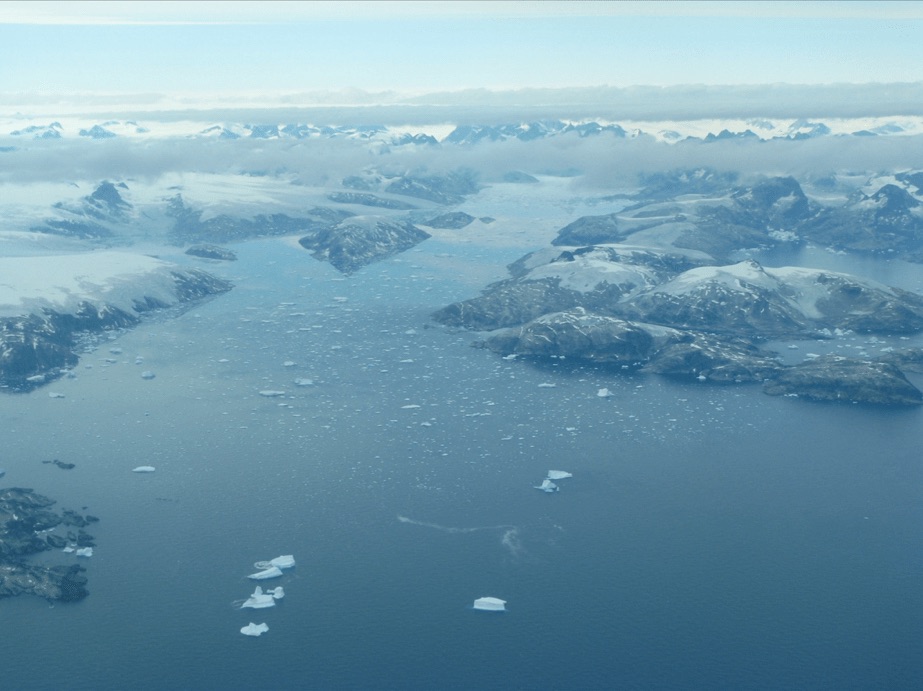

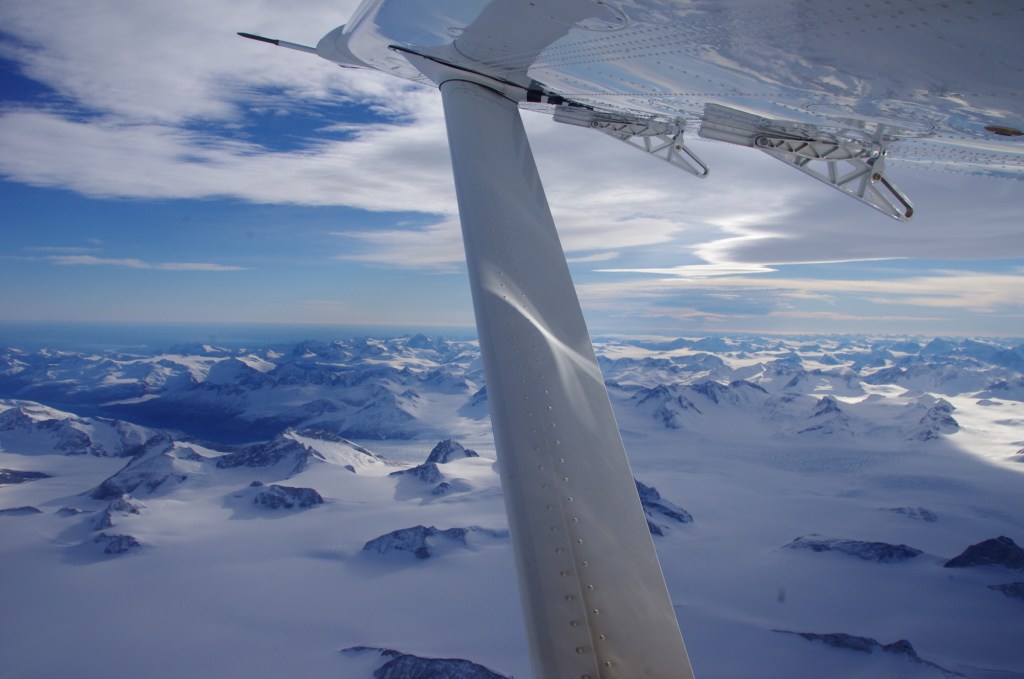
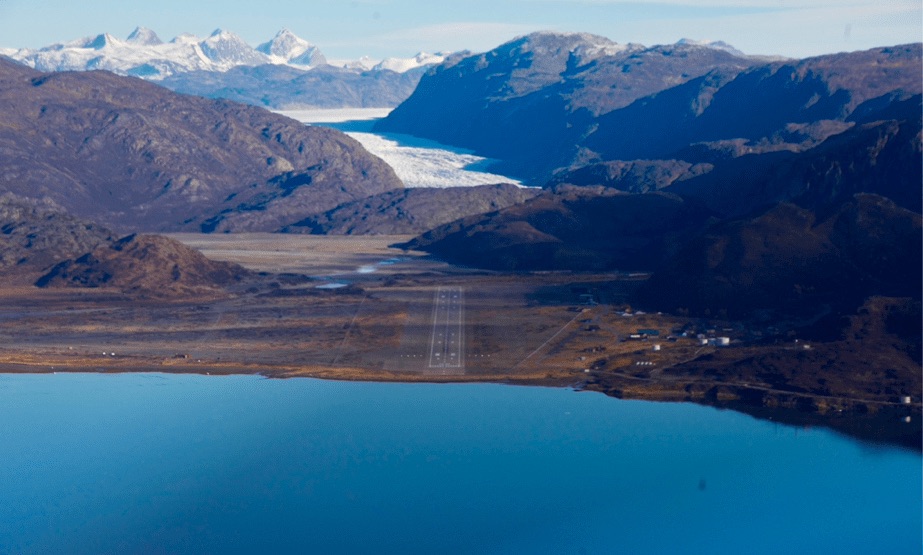
Bad weather is frequent in Southern Greenland, and Narsarsuaq is virtually surrounded by high mountians making this approach expremely difficult. So the approach was a low level flight up a fjord. If these pilots happened to fly into the wrong fjord they would not have the space to turn around and because the elevations rise suddenly and steeply near the coast- and they would crash into a mountian.
So, in 1940 pilots and radio operators were urgently needed. There was a shortage of Canadian pilots and so Americans were the first pilots to cross along with Canadian volunteer radio operators. (personal note – my dad was a radio operator in the Yukon in 1960 for a number of years – and before this research- I had no idea the important role radio operators had in the ferrying of aircraft acoss the Atlantic)
At any rate, the Lockheed Hudson were chosen to be the first aircraft to make the first experimental delivery flight. It was equipped with extra fuel – and so nicknamed the flying gas tank. Having this additional weight made this risky flight – more risky.

And so the planes were flown from a factory in California to Pembina North Dakota – and there – because of the U.S. Neutrality laws at that time – the planes were pulled over the border in Emerson, Manitoba by horses. From there they were flown to Montreal – which was the center of operations for this venture.
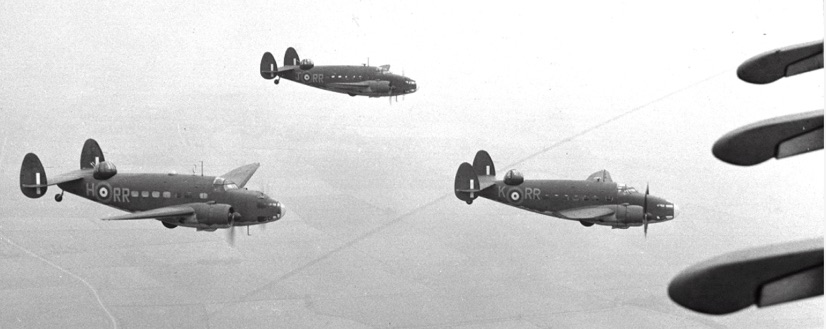
It was decided that seven planes would cross together and they were to fly in formation (this fact alone astounds me – for anyone who has flown in a plane and knows how difficult it is to keep an eye on another plane while flying – especially over a long stretch of time and varying weather conditions). Each Hudson carried a pilot, a co- pilot and a radio operator. There was only one navigator in the bunch – so this is why they needed to fly in formation and keep each other in sight.
During this flight, because of bad weather – the planes did lose formation during the crossing – However they all eventually landed safely on the European coast of Northern Ireland. Once the planes arrived in Great Britian – the pilots were quickly returned to Montreal to pick up additional planes and do it all again.
During this time the four engine Liberator bomber was modified to carry people rather than bombs and so oxygen tanks with rubber tubes were installed for the 18-20 passengers to suck while they endured the 15 hour flight.
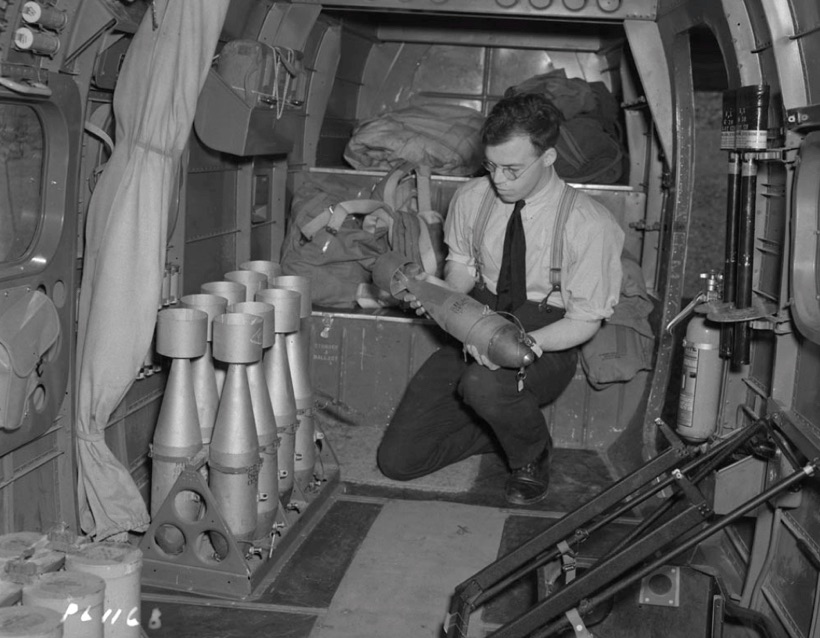
500 men died undertaking this risky crossing over the Atlantic. It was during a time of very limited and inadequate navitation tools, dangerous weather, icing, and undertaking the cold Atlantic with no idea of upcoming weather conditions. The first fatality was passenger Sir Fredrick Banting – a Nobel Prize laureate for his part in the discovery of insulin.
The infrastructure left by the the war shaped aviation. The development of procedures to gather information about weather, preparing forcasts, methods for aircraft to communicate. Air traffic control for the world was based on what was developed in Canada at this time.
And the world of ferry flying continues. In our travels in small remote airports in particularily Greenland and Iceland we have met all sorts of pilots living the world of ferrying all sorts of aircraft in all sorts of conditions and going to all sorts of places.
The aircraft that we fly are small single engine aircraft. They are planes not meant to fly big distances and so we doing a ferry flight, there are quite a few extra steps and things to consider. Such as:
*These aircraft are typically unpressurized – so they fly low (below 10 000 feet) and unlike larger aircraft – they are unable to get above the icing and bad weather conditions. Decision making and flying is so much about the weather. Plan as much as you want – the weather always has the final say.
When preparing for a ferry flight – Dylan will start looking at weather trends long before the flight – determining the best time to go. Careful planning is so important – especially the planning for oceanic crossings.
A large expanse of water is being flown over – most often with very few alternative landing possibilities should problems arise. So – this means watching the weather, icing and winds for both the departure as well as for the destination and for the alternate destination.
Because flight legs can be long – weather conditon, especially the winds can change from the original forecast. If a head wind is stronger than predicted there is the potential of the range being reduced significantly. So if winds change – the pilot needs to be prepared to turn around rather than risk not having enough fuel to reach their destination.
Pilots and planes can end up sitting at an airport for a long time waiting for the right conditons. One year, while flying a Kodiak on floats to Indonesia we had an unexpected overnight stop (due to bad weather) in Kulusuk, Greenland. While there we met a pilot from Norway who was flying a tiny 2 seater Citabria from Texas to Norway. Because of the size of his plane – his limited fuel capacity – he needed the EXACT right tail winds to make the crossing from Greenland to Iceland – there was very little room for any changing weather conditions and he would need to wait for the exact right winds
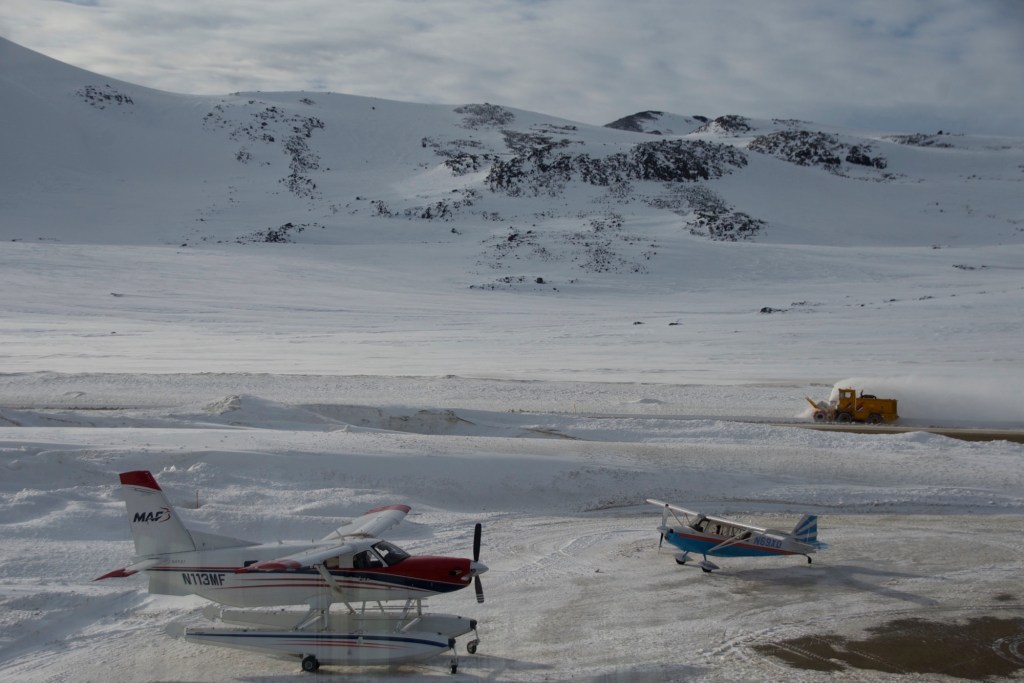
2. The range of many small single engine aircraft is not long enough to fly from point to point across the ocean. To extend the distance – the aircraft can be equipped with ferry tanks (tankss of additional fuel connected to the airplanes fuel system).
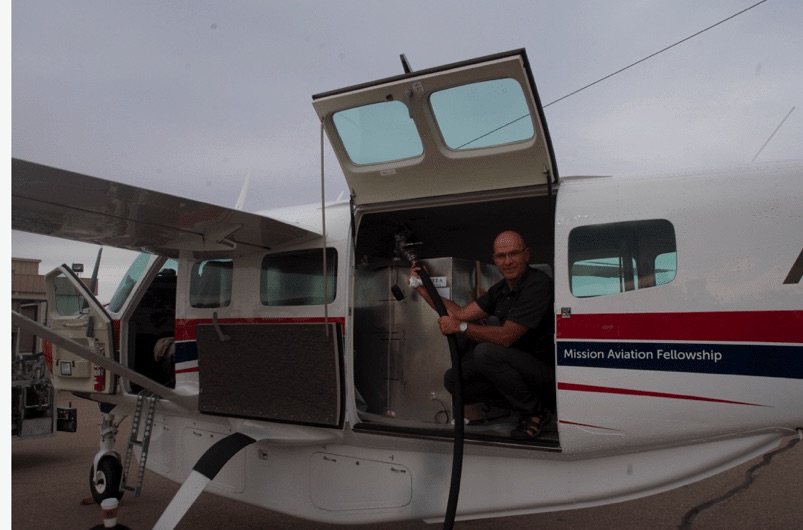
Essentially – with these tanks – the pilot is able to refuel while in flight. When we fly with ferry tanks, we will set a time as a way to stay vigilant while refuelling. It takes about 45 minutes to an hour to refuel and so to stay aware and to switch off the refuelling stitch once fuelled. We once spoke with someone from Australia about a friend of theirs who was a ferry pilot who forgot to switch off the ferry tank once done refuelling – so after his tank was filled – the remaining fuel poured overboard. Once he realized he did not have enough fuel to cross the Pacific Ocean – he calculated his range he had left – and made an emergency landing in the ocen just off the coast of Hawaii – where emergency boats with lights met up with him.
Fuel is one of the most important elements of flying – no fuel no flying!
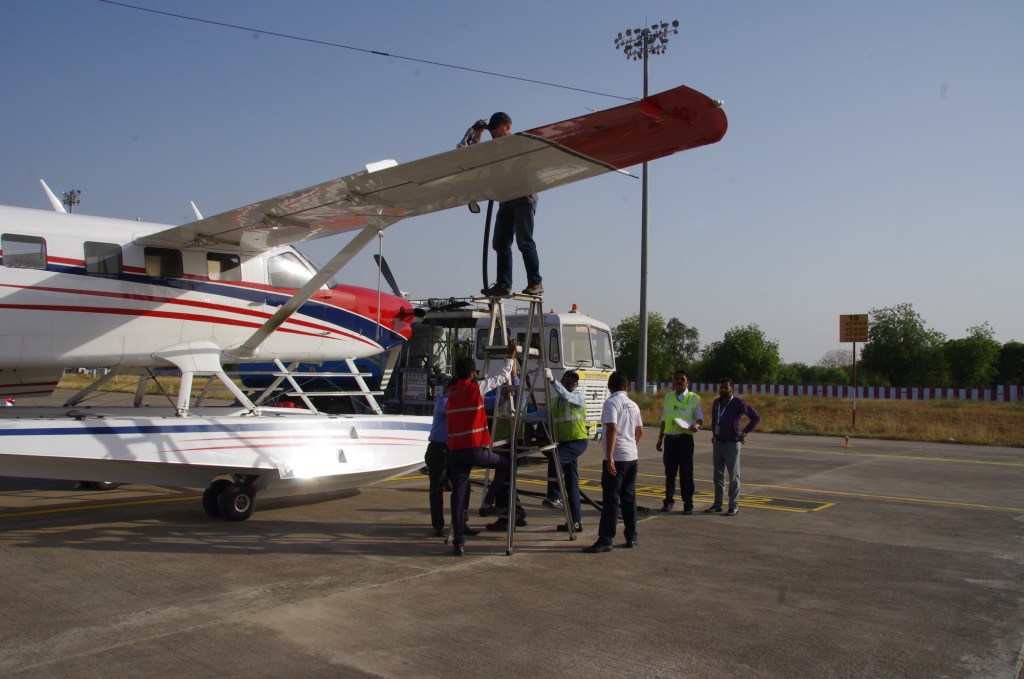
3. With ferry tanks (and in the case of this trip – floats as well) – the additional gross weight means that icing is more critical. (Icing means that when ice builds on the frame of the plane). Icing has a big affect on reducing aircraft performance. So when flight planning – taking into consideration the icing conditions is critical. Planes with ferry tanks get special permits that allow them to fly beyond the manufacture weight limits.
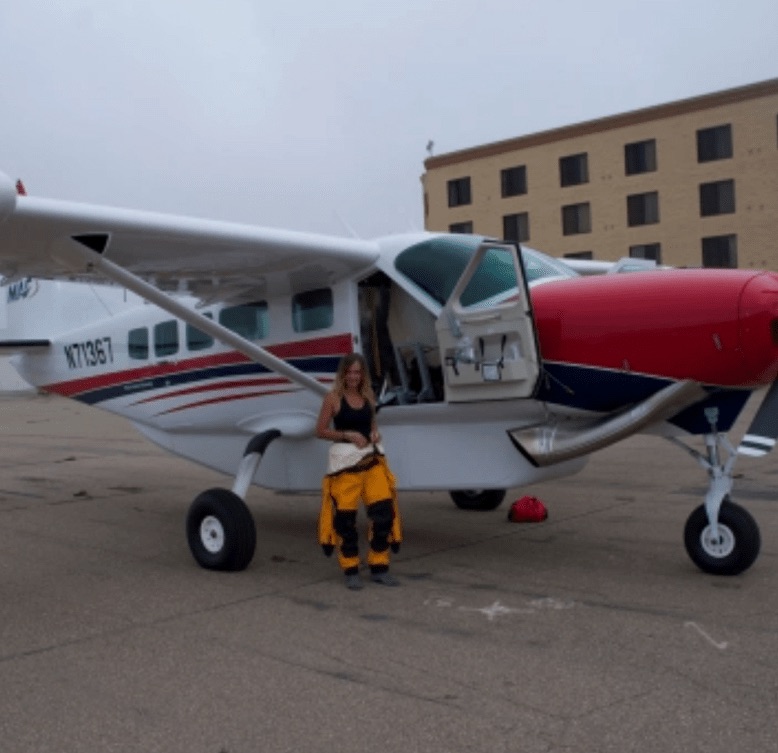
4. Another saftey precaution is bringing along a life raft which is stored within arms reach as well, we both wear emersion suits while flying over large body of water
FERRY ROUTES ACROSS THE ATLANTIC
There are 3 ways to cross the Atlantic by small plane
- the southern route from St. Johns to the Azores to Europe or Africa
- the middle – from Goose Bay, Nfld to Narsarsuaq, at the southern tip of Greenland on to Iceland and to Europe
- the northern route – from Iqaluit or further south in Labrador – the Kangerlussuaq, Greenland then to Iceland and over to Scotland or Ireland.
To be continued and I will share about the Pacific Ocean ferry routes shortly
 Ferry Flying - Delivering Aircraft around the world for MAF